 Shamrock Rovers Hub
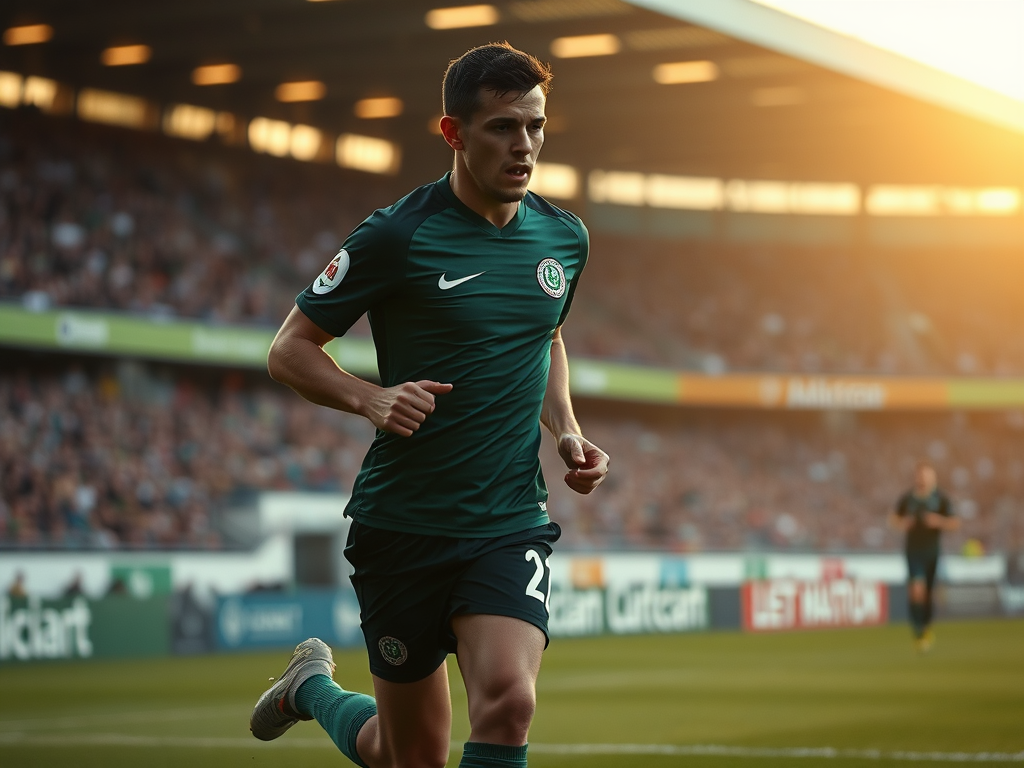
The decision to keep Dawson Devoy from international duty has stirred significant debate, particularly after his absence contributed to a disappointing performance by the Republic of Ireland under-21s. Manager Damien Duff has stepped into the fray, calling for "common sense to prevail" after Devoy was held back to feature for Shamrock Rovers in their recent clash with the team's fierce rivals. This situation not only highlights the complexities of player management but also raises broader questions about the priorities within Irish football.
Context of the Decision
In the lead-up to the match, it was clear that Dawson Devoy was a player to watch. Having established himself as a crucial member of the Shamrock Rovers squad, his exclusion from the Ireland under-21 setup for the match against Shamrock Rovers on 6 November 2023 was surprising. Reynolds, the national team manager, opted to prioritise club commitments over national representation, a choice that sparked criticism from Duff and others in the football community.
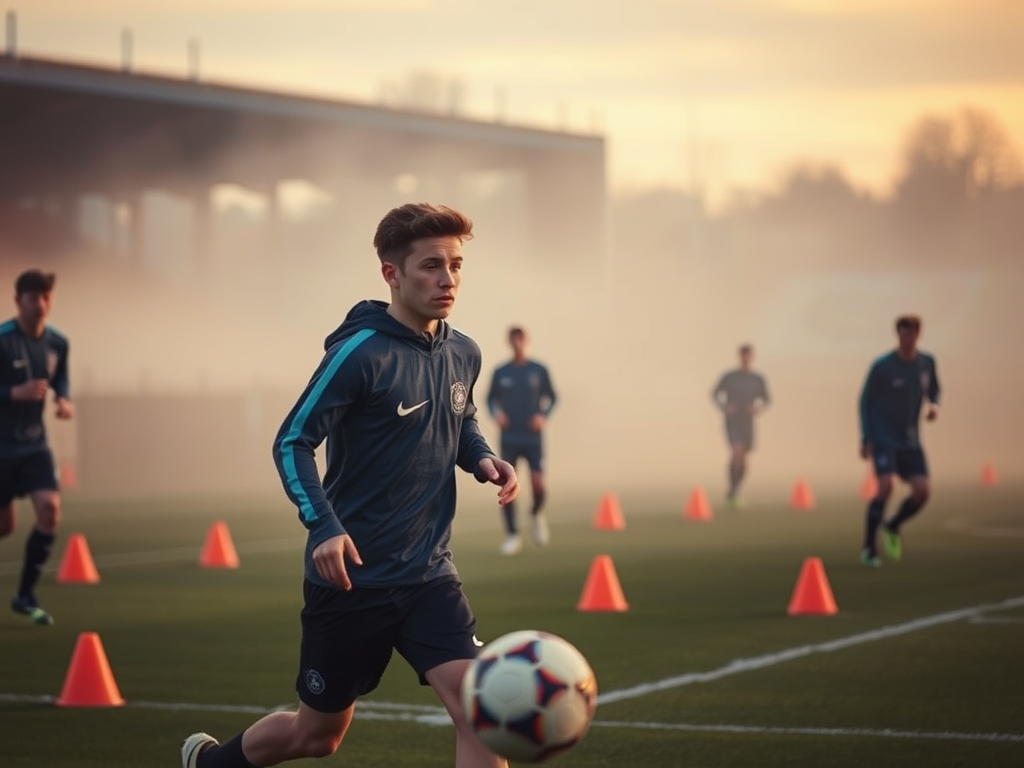
Many fans and analysts were left questioning the rationale behind this decision. Devoy's ability to influence matches has been evident, and his development as a player is essential for the future of the national team. By withholding him from international duty, the decision risks stifling his growth and experience at higher levels of competition.
Damien Duff's Perspective
Damien Duff did not mince words in expressing his concerns. The former international winger articulated that it’s crucial for young players like Devoy to gain experience on the international stage. He emphasized that decisions should focus on the players' long-term development rather than short-term gains for clubs. Duff's comments reflect a growing sentiment that the national team must take precedence in player development strategies.
In his statement, Duff remarked, "Common sense should prevail here. It's about nurturing talent for the sake of the future of Irish football." His insights resonate deeply with fans who understand the importance of investing in youthful prospects like Devoy, who could potentially be cornerstones of the national team in the years ahead.
What it means for Shamrock Rovers
For Shamrock Rovers, this decision adds to the pressure of maintaining their competitive edge in the League of Ireland Premier. Having Dawson Devoy in their ranks is undoubtedly a boost, but it also raises questions about player welfare and the long-term implications for the squad. With Rovers competing fiercely for league titles, balancing club and country commitments is a tightrope walk.
Fans have expressed mixed feelings about the decision. On one hand, they’re thrilled to see Devoy in action for the Hoops, contributing to their ambitions. On the other hand, there’s concern about what this means for the player’s future, especially if he misses out on valuable international experience. The upcoming fixtures will reveal whether the decision pays off or whether it stunts Devoy's potential growth as a player.
- Fans are divided over the decision regarding Devoy.
- Some support prioritizing club commitments, while others worry about his international development.
- Devoy's performance in club matches could influence future national selections.
The Impact on International Football
The broader implications of this decision extend beyond Dawson Devoy and Shamrock Rovers. It raises questions about how national teams prioritize player development versus club commitments. Many fans argue that national duty should be paramount, especially for young players who stand to benefit from exposure to international competition.
Critics will argue that club football is where players can build their confidence and skills week in, week out. They contend that having a player like Devoy contribute to his club's successes is equally vital for his growth. However, this perspective often overlooks the unique learning experiences that come from representing one's country.
Criticism of Reynolds' Approach
Reynolds' decision to withhold Dawson Devoy has drawn ire not just from Duff but also from various football pundits and fans alike. Many view this as a misstep in nurturing young talent. Critics point out that the nature of international football is evolving, and young players need to be integrated into the national setup early to adapt to its demands.
The flip side is that some argue that club success is essential for maintaining the league's profile. If players like Devoy are instrumental in securing victories for their clubs, it can elevate the standard of football in the country overall. This perspective raises the question: should the national team adapt to the unique challenges posed by club obligations, or should it stand firm in prioritizing international commitments?
Conclusion: A Balancing Act
As the debate continues, the spotlight remains firmly on both Damien Duff and Dawson Devoy. The decisions made in the coming weeks will undoubtedly shape the trajectory of the Hoops' season and the future of Irish football. Fans will be keen to see how this situation unfolds, especially as Rovers look to maintain their form in the league while managing player availability.
What's next
Looking ahead, Shamrock Rovers will need to navigate their upcoming fixtures with a keen focus on squad depth and player management. The impact of Dawson Devoy's performances in the league could influence his future selections for the national team. Moreover, the national team coaches must consider how they can better support young players while balancing club commitments. As the landscape of Irish football evolves, finding that balance will be crucial for both clubs and the national setup.